Table of Contents
Introduction to Red Sancerre Wine
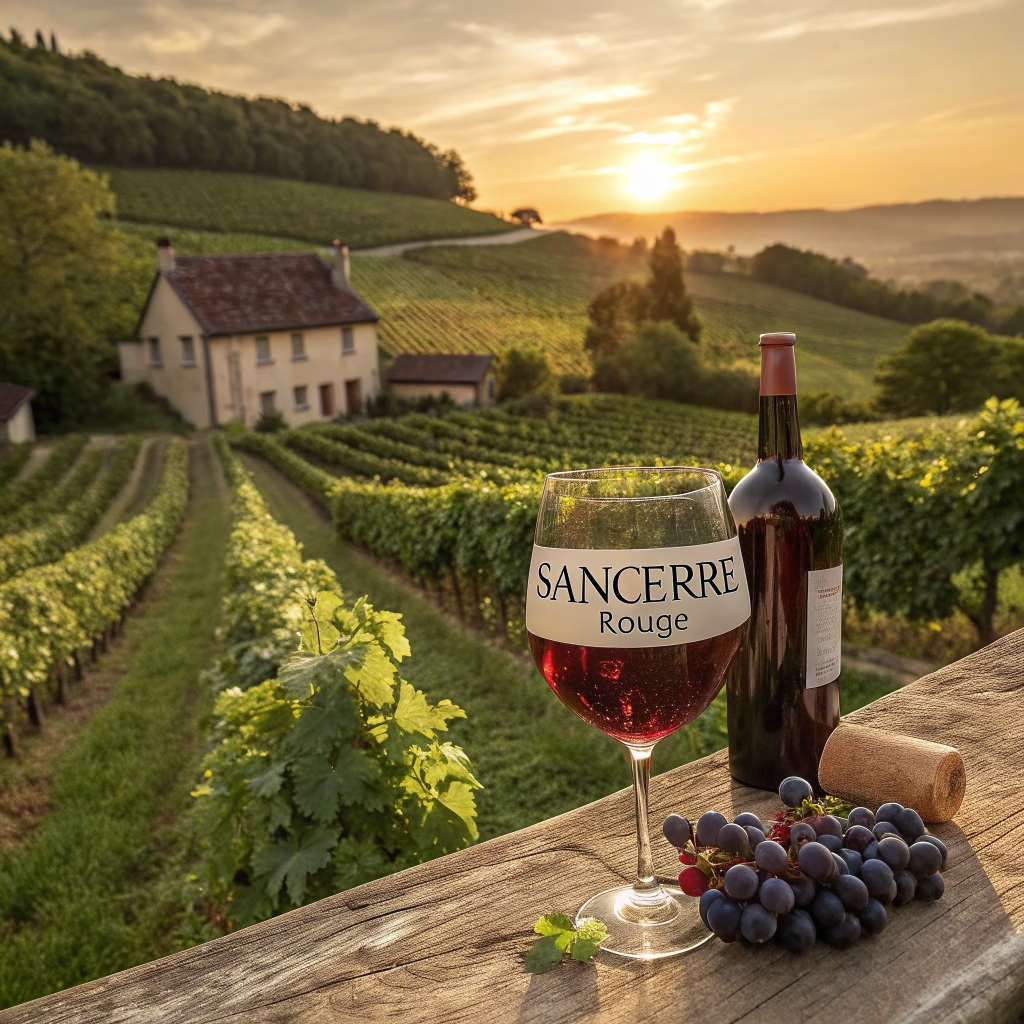
Red Sancerre, primarily made from Pinot Noir grapes, originates from the Sancerre region in France’s Loire Valley. This region is not only celebrated for its picturesque landscapes but also for its exceptional terroir, which significantly influences the wine’s characteristics. The unique blend of limestone, flint, and clay soils, combined with a temperate climate, helps produce wines that are aromatic and expressive [Source: The Spirited Glass].
The history of wine production in Sancerre dates back to the Romans, with documented practices in viticulture as early as the 2nd century. Over the centuries, the region has adapted to modern winemaking techniques while preserving its traditional methods. Today, Sancerre is recognized worldwide, not just for its white wines but increasingly for its high-quality reds that express the distinct terroir of the Loire Valley [Source: The Spirited Glass].
Overall, red Sancerre stands out for its elegance and complexity, offering a delightful representation of the Loire Valley and serving as an exciting alternative to conventional red wine expressions characterized by bolder flavors and heavier structures.
The Varietals Behind Red Sancerre
Red Sancerre, predominantly made from Pinot Noir, showcases a unique expression influenced by the region’s terroir and traditional winemaking techniques. The region’s chalky soils, particularly in Sancerre, contribute to a distinct minerality that is reflected in the wines’ flavor profiles. Pinot Noir grapes thrive here, benefitting from the sunny yet cool climate, which helps to maintain acidity while promoting the development of ripe fruit flavors such as cherry, raspberry, and subtle herbal notes.
Winemaking techniques in Sancerre favor minimal intervention to preserve the purity of the fruit. Most producers employ cold maceration to enhance color extraction and aromatic intensity without overwhelming tannin structure. Following fermentation, wines are typically aged in stainless steel or neutral oak, allowing the varietal characteristics to shine through without the interference of new oak influence. This methodology culminates in a wine with fresh acidity, vibrant fruit, and a lingering finish that echoes the terroir’s minerality [Source: The Spirited Glass].
Understanding these aspects can deepen the appreciation for Red Sancerre. For those seeking to explore the world of wine further, consider filtering your search through articles like our guide on the best red wine for beginners or the various great sweet wines available.
Tasting Notes and Food Pairings
Red Sancerre, a renowned wine from the Loire Valley in France, boasts an intriguing flavor profile that captivates wine enthusiasts. Characterized mainly by its robust red fruit notes, red Sancerre typically exhibits flavors of cherry, raspberry, and strawberry, alongside earthy undertones of minerality and subtle herbal nuances. Some variations may include spicy or floral hints, enhancing its complexity [Source: Taste of Home].
When pairing food with red Sancerre, the goal is to complement its vibrant flavors while balancing its acidity. Ideal dishes include roasted poultry, particularly duck, as the wine’s fruity notes harmonize beautifully with the rich flavors of the meat. Grilled or roasted vegetables, such as bell peppers and mushrooms, also work well, accentuating the wine’s earthy elements [Source: Wine Enthusiast]. For a lighter option, consider pairing it with a charcuterie board featuring creamy cheeses and charcuterie, enhancing the wine’s fruity profile without overpowering it [Source: The Spirited Glass].
In traditional French cuisine, red Sancerre is frequently enjoyed with coq au vin or boeuf bourguignon, both classic dishes that match well with the wine’s structure and taste, offering a delightful culinary experience [Source: Food & Wine].
The Rise in Popularity of Red Sancerre
The recent surge in the popularity of red Sancerre reflects broader trends in the wine market, where consumers are increasingly drawn to unique varietals that offer both quality and character. Traditionally overshadowed by its white counterpart, red Sancerre—which is crafted primarily from Pinot Noir grapes—has been gaining traction among modern wine enthusiasts looking for something distinctive and versatile.
One of the driving forces behind this trend is the growing consumer interest in sustainable and organic wines. Many producers of red Sancerre have embraced these practices, which resonate with environmentally-conscious consumers. This has contributed to a luxury image for the wine, elevating its standing in a crowded market while attracting more attention from sommeliers and enthusiasts alike. As detailed by a recent report, organic and biodynamic certification has provided a significant boost to sales, particularly in the premium wine segment [Source: Nature].
Social media and wine education platforms have also played a pivotal role in elevating awareness. Platforms like Instagram enable enthusiasts to share their experiences, driving a word-of-mouth phenomenon that showcases red Sancerre’s versatile pairing possibilities, from sophisticated dinners to casual gatherings. This increased visibility is reflected in wine retailer inventories, showing a marked rise in Sancerre offerings, including selections that highlight small, artisanal producers [Source: NW Iowa].
Looking ahead, the potential for red Sancerre in the global wine scene appears promising. As new generations of wine drinkers prioritize discovery and authenticity, red Sancerre stands out as a worthy option. The ongoing shift towards a more inclusive and diverse wine culture indicates that red Sancerre may continue to expand its footprint, appealing to both novice and seasoned drinkers who seek a deeper connection to their wine choices. The future of this varietal seems bright, amidst trends of personalization and premiumization in consumer preferences [Source: Nature].
Sources
- Food & Wine – Best Food Pairings for Sancerre
- Nature – Organic Wines: Consumer Trends and Market Growth
- Nature – Trends in Wine Consumer Preferences
- NW Iowa – FCS Has Forged Enduring Bonds With Farmers
- Taste of Home – Red Sancerre Wine Pairing
- The Spirited Glass – Best Red Wine for Beginners
- The Spirited Glass – South Beach Food and Wine Festival Tips
- Wine Enthusiast – Red Sancerre Wine Pairings: 12 Delicious Choices
FAQ
What is Red Sancerre wine?
Red Sancerre wine is a French wine made predominantly from the Pinot Noir grape variety, produced in the Sancerre appellation located in the Loire Valley. It is known for its elegance and depth of flavor.
What are the tasting notes of Red Sancerre?
Red Sancerre typically exhibits flavors of red fruits such as cherry and raspberry, alongside herbal and earthy notes. It is often characterized by its bright acidity and fine tannins, contributing to its overall freshness.
What is terroir and how does it affect Red Sancerre?
Terroir refers to the unique environmental factors that influence the grapes grown in a specific region, including soil, climate, and topography. In Sancerre, the combination of limestone and flint soils contributes to the wine’s distinctive minerality and complexity.
What food pairings go well with Red Sancerre?
Red Sancerre pairs well with a variety of dishes, including grilled meats, poultry, and salmon. It also complements dishes featuring earthy flavors, such as mushrooms and charcuterie, making it versatile for many cuisines.
How should Red Sancerre wine be served?
Red Sancerre is best served slightly chilled, ideally at a temperature of around 55°F (13°C). This enhances its refreshing qualities while allowing its complex flavors to shine.
Is Red Sancerre a good wine for aging?
While Red Sancerre can be enjoyed young, certain vintage years offer aging potential, typically improving with 3 to 5 years in the bottle. However, most wines from this region are meant to be consumed relatively young to appreciate their fresh characteristics.